
The council inspection report is one of the most important documents in a construction project — and one of the most poorly used. It arrives as a PDF, often scanned, listing the issues an inspector found, the remedies required, and the items that must be resolved before work can proceed.
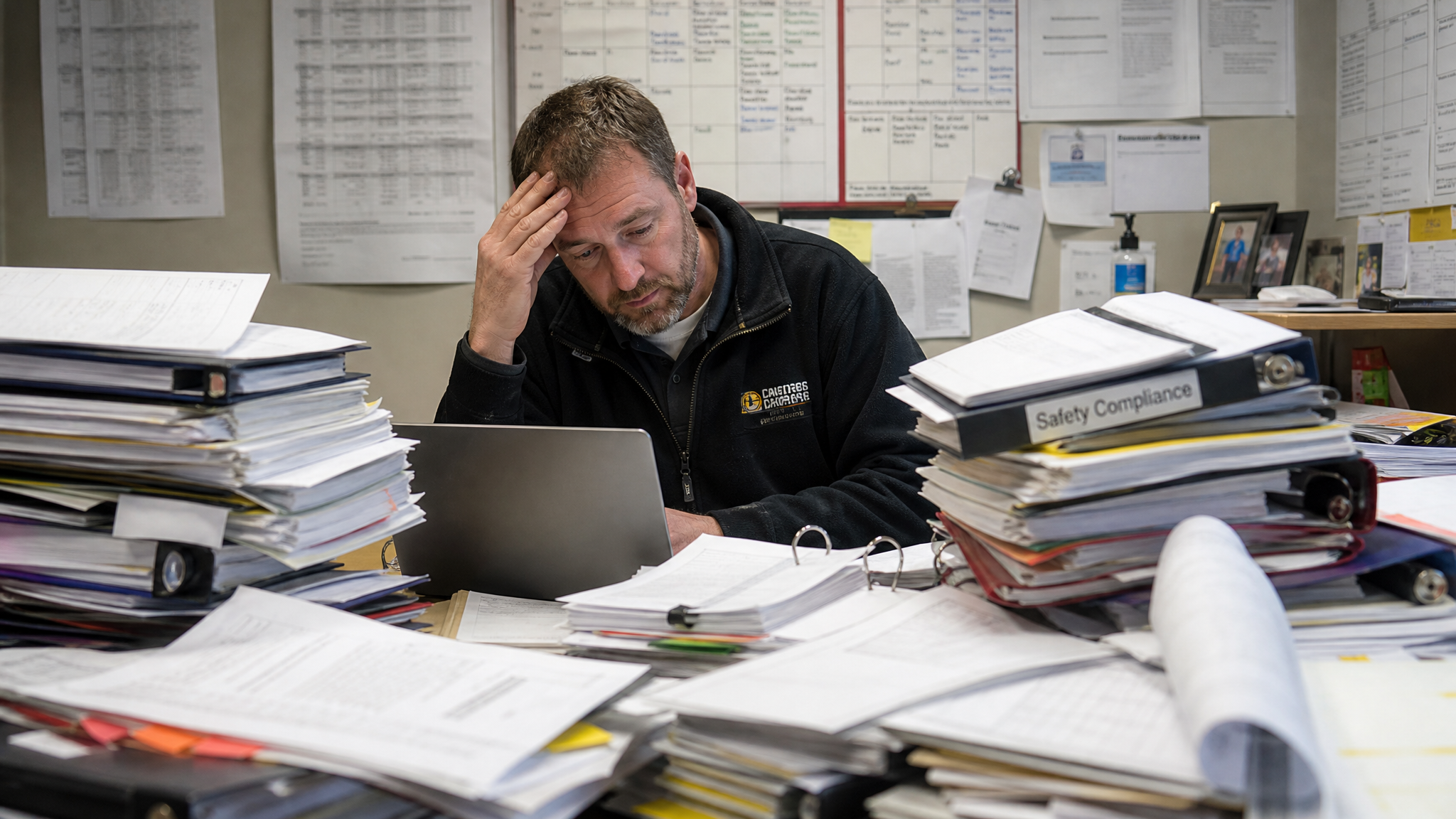
And then, too often, it sits. Someone reads it, mentally notes the big items, and files it. The smaller items get forgotten. By the time the next inspection comes around, half the report has fallen through the cracks — and the build gets held up.
The problem is not the report. The problem is the gap between a document and action. AI is now closing that gap.
Why Inspection Reports Get Underused
Inspection reports are hard to act on for practical reasons:
- They are unstructured — free text in a PDF, not a list of discrete, trackable items
- They mix severities — a critical structural issue sits alongside a minor documentation note, with no prioritisation
- They require interpretation — turning an inspector's note into a specific action for a specific trade takes effort
- They are easy to lose — a PDF in an inbox or a folder is not a task in anyone's workflow
- They pile up — across multiple inspections and projects, the volume becomes unmanageable
The result is predictable: items get missed, not because anyone is careless, but because the format actively works against reliable follow-through.
What AI Document Processing Changes
AI document processing turns the inspection report from a static document into structured, actionable data. In minutes, it can:
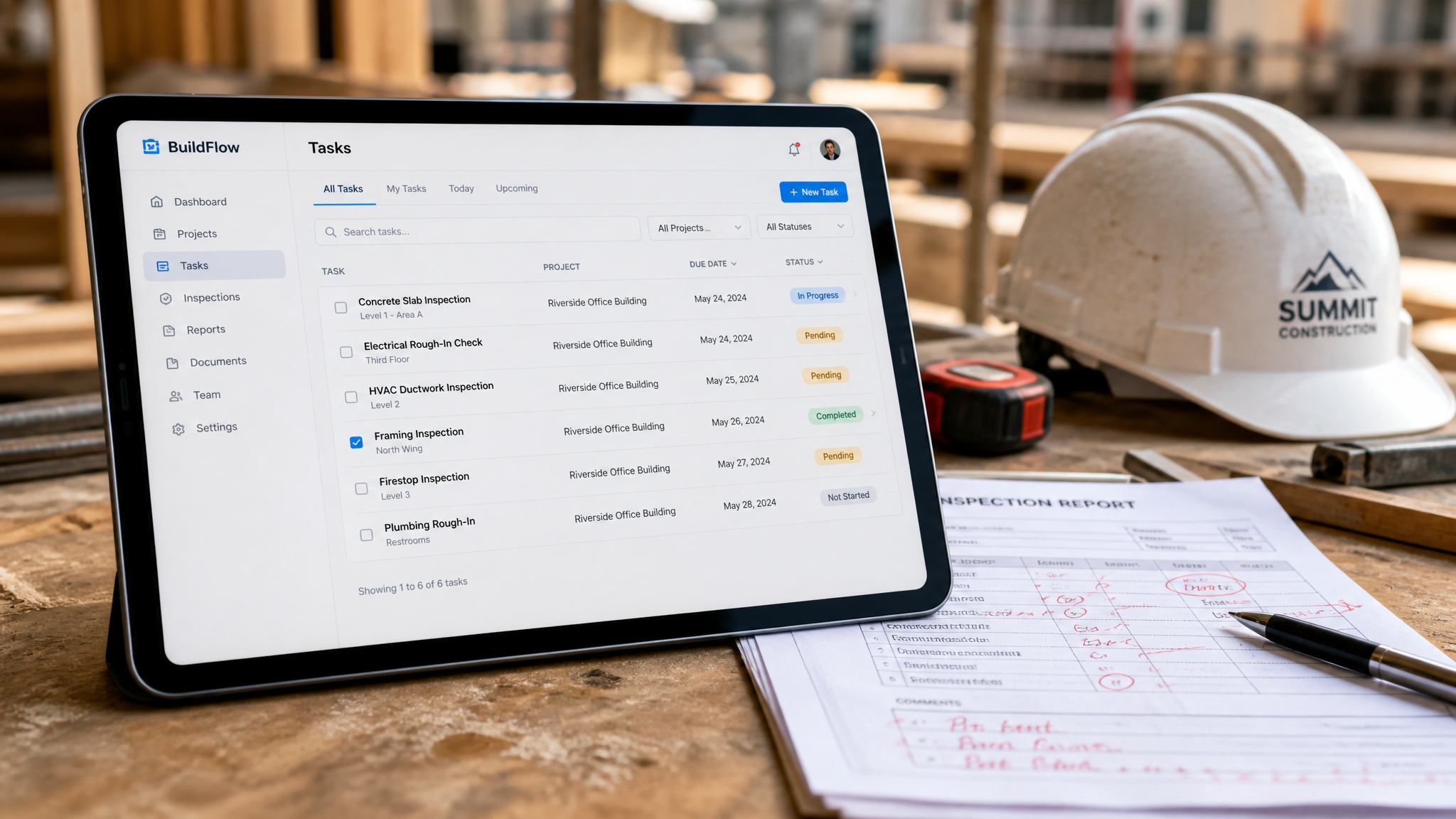
The shift is from reading a report to working a task list — where every item has an owner, a status, and a clear path to resolution.
Why This Matters for Compliance
Structured follow-through is not just about efficiency — it is about compliance integrity. When every inspection item is tracked to resolution with evidence, several things become true:
- Nothing is forgotten — every item is accounted for, not just the ones someone remembered
- Resolution is evidenced — you can show, item by item, that issues were addressed
- The next inspection goes smoothly — because outstanding items were closed out properly
- The CCC application is cleaner — because the compliance record is complete and continuous
This is the difference between hoping a report was actioned and knowing it was.
Where ConsentNZ Fits
ConsentNZ brings this capability to post-consent inspection compliance. It uses AI to process council inspection reports — extracting every issue, remedy, and requirement from the PDF, classifying by priority, and turning them into structured, trackable items within your compliance workflow.
Because ConsentNZ manages the full journey from building consent issuance through to CCC, those extracted items do not just sit in a list — they connect to your inspection schedule, your issue tracking, and your CCC milestone. An item flagged in a report is tracked to resolution and evidenced, so the compliance record builds itself as you work.
The result: hours of manual transcription eliminated, and the confidence that no inspection item is falling through the cracks.
The Bottom Line
An inspection report is only as valuable as the action it drives. Left as a PDF, it is a document that gets partially read and then filed. Turned into structured, trackable tasks, it becomes a reliable path to resolution — and a compliance record you can stand behind. AI is what makes that transformation fast enough to do on every report, every time.
---
ConsentNZ uses AI to turn council inspection reports into structured, trackable tasks — extracting every issue, classifying by priority, and tracking resolution from building consent issuance through to CCC. [Visit consentnz.com](https://consentnz.com) to see AI-powered inspection compliance in action.