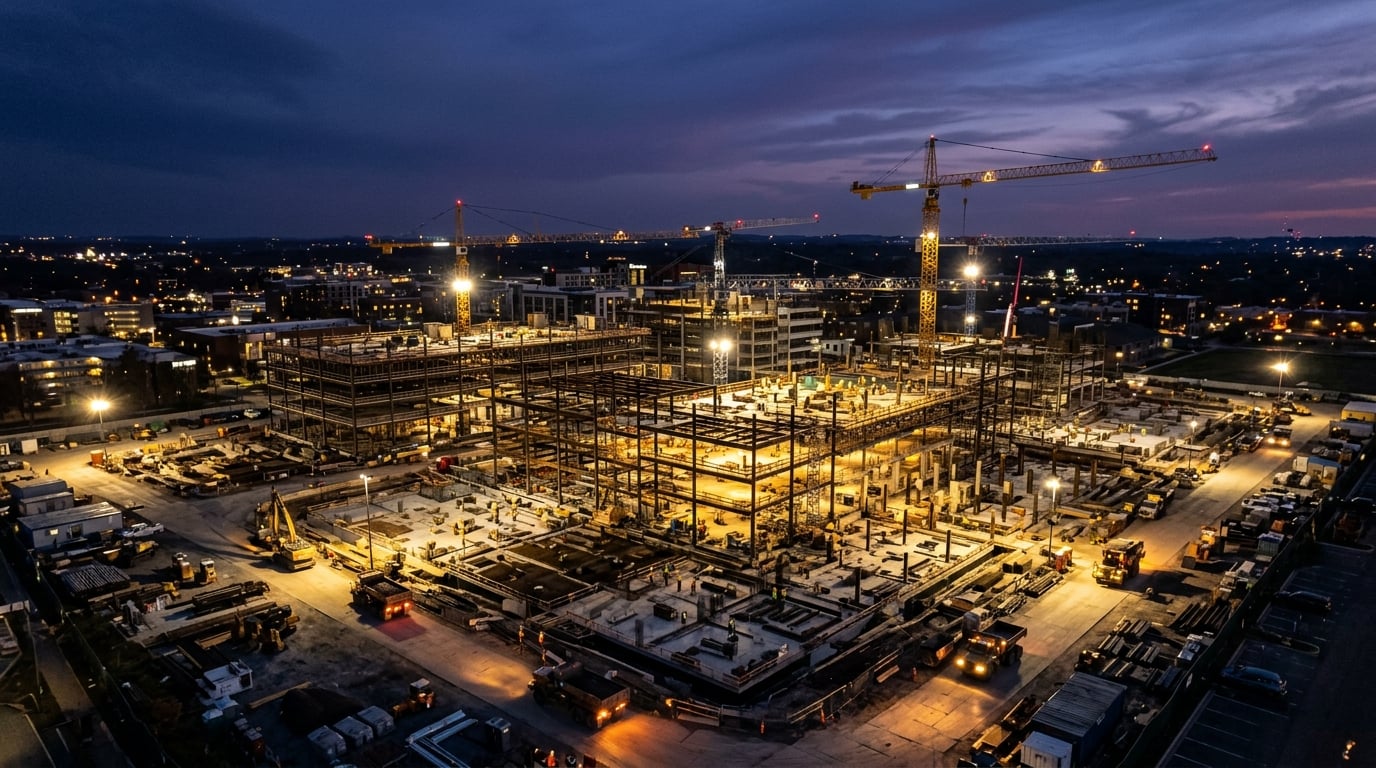


In the New Zealand construction industry, subcontractors perform an estimated 80-90% of all on-site work. This means that the quality, safety, and compliance of your projects depends heavily on people who aren't your direct employees. Managing subcontractor compliance is therefore one of the most important — and most challenging — aspects of construction project management.
Why Subcontractor Compliance Matters
The consequences of subcontractor non-compliance can be severe:
- Defective work that requires costly remediation
- Safety incidents that can result in injuries, fatalities, and prosecution
- Consent delays when inspection requirements aren't met
- Contractual disputes arising from non-conforming work
- Reputational damage that affects future project opportunities
Under the Building Act 2004, the building consent holder bears ultimate responsibility for ensuring that all work complies with the building consent and the Building Code. You can't delegate this responsibility away through subcontract agreements.
A Practical Compliance Framework
Pre-Qualification
Before engaging a subcontractor, verify:
- Licences and registrations — LBP registration, Site Safe certification, trade qualifications
- Insurance — public liability, professional indemnity, and workers' compensation
- Track record — references from recent projects, any history of compliance issues
- Capacity — sufficient resources (people, equipment, financial) to deliver the work
- Systems — quality management, health and safety, and environmental management systems
Document your pre-qualification process and maintain a register of approved subcontractors.
Contract Requirements
Your subcontract agreements should clearly specify compliance obligations:
- Specific code requirements relevant to the subcontractor's scope of work
- Quality standards and acceptable tolerances
- Inspection requirements — both self-inspection and third-party inspection obligations
- Documentation requirements — what records must be maintained and provided
- Hold points — stages where work must stop for inspection before proceeding
- Non-compliance procedures — what happens if work doesn't meet the required standard
During Construction
Active management during the construction phase is critical:
Induction: Ensure every subcontractor worker is inducted on project-specific compliance requirements, not just generic health and safety.
Supervision: Provide adequate supervision at critical stages. Don't assume that experienced subcontractors don't need oversight — even the best can make mistakes.
Inspections: Conduct regular compliance inspections of subcontractor work. Use standardised checklists that cover the specific requirements for each trade.
Documentation: Require subcontractors to maintain and submit compliance records as work progresses — don't wait until the end of the project.
Communication: Establish clear lines of communication for compliance issues. Subcontractors should know who to contact and what to do when they encounter a compliance question or concern.
Close-Out
At project completion:
- Verify that all required inspections have been completed and passed
- Collect all outstanding compliance documentation
- Conduct a final quality review of the subcontractor's work
- Complete a performance review for future reference
- Ensure all defects identified during construction have been remediated
Technology as an Enabler
Managing subcontractor compliance across multiple projects and multiple subcontractors is exactly the kind of complex, data-heavy task where technology excels.
Digital platforms can:
- Automate pre-qualification workflows, including document verification and expiry tracking
- Distribute compliance requirements to subcontractors digitally, with acknowledgement tracking
- Standardise inspection processes with digital checklists, photo evidence, and GPS tagging
- Track compliance status in real time across all subcontractors and all projects
- Generate reports for management, clients, and regulatory bodies
The investment in technology pays for itself many times over through reduced risk, improved efficiency, and better project outcomes.