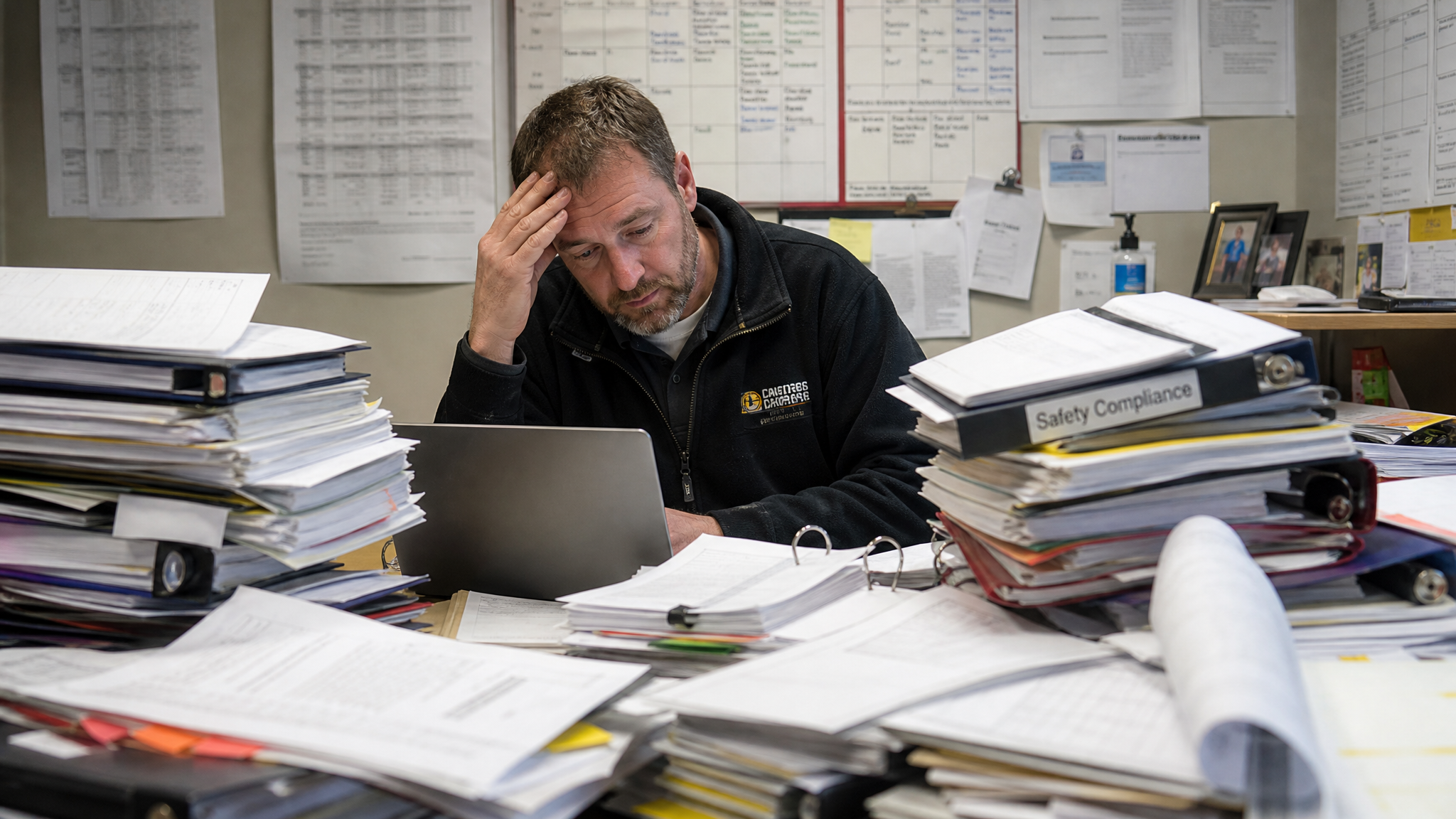


A failed council inspection is more than an inconvenience. It stops work, forces a rebooking, delays every downstream trade, and pushes the CCC further away. On a tight programme, a single avoidable failure can cascade into weeks of lost time.
The encouraging news is that inspection failures are rarely random. They cluster into a handful of predictable categories — which means they are largely preventable. Here are the seven most common reasons New Zealand builds get held up at inspection, and what disciplined teams do to avoid them.
1. Work Not Ready or Not Accessible
The most common failure of all is also the most frustrating: the inspector arrives, but the work is not actually ready to be inspected, or cannot be accessed. Pre-line work is incomplete, the area is not clear, or the relevant work is already covered.
How to avoid it: confirm readiness against the specific inspection requirements before booking, not after. Know exactly what the inspector needs to see and ensure it is complete and visible.
2. Incomplete or Missing Documentation on Site
Many inspections require supporting documentation — approved plans, specifications, producer statements, or manufacturer details — to be available on site. When they are missing, the inspector cannot verify compliance.
How to avoid it: maintain a documentation checklist tied to each inspection type, and confirm everything required is on site before the inspector arrives.
3. Work Not Matching Approved Plans
If work on site differs from the approved consent documents — even for a sensible reason — the inspector cannot sign it off. Undocumented variations are a frequent cause of failure.
How to avoid it: document any variation and process it through the correct channel before the inspection, so the work on site matches the approved record.
4. Previous Inspection Items Not Closed Out
When a prior inspection raised items that were never properly resolved and evidenced, subsequent inspections can be held up. Verbal assurances that "it was sorted" are not enough.
How to avoid it: track every item from every inspection to formal resolution, with evidence. Never treat an item as closed until it is documented as closed.
5. Sequencing Errors Between Trades
Inspections must often happen in a specific order, and one trade's work can depend on another's inspection being passed first. When trades are sequenced incorrectly, inspections fail or cannot proceed.
How to avoid it: map the inspection sequence for the whole build and coordinate trades against it, so each hold point is reached in the right order.
6. Booking the Wrong Inspection Type
Councils have specific inspection types for specific stages. Booking the wrong one — or misunderstanding what a given inspection covers — wastes the visit and the slot.
How to avoid it: understand the full inspection schedule for your consent and book the correct type against the correct stage.
7. Quality Issues in the Work Itself
Finally, the genuine failure: the work does not meet the required standard. Defective workmanship, incorrect materials, or non-compliant installation.
How to avoid it: build quality control into the trade's own process, and use prior inspection patterns to anticipate where problems tend to arise.
The Common Thread
Look closely and six of these seven failures are not about the quality of the building work at all — they are about coordination, documentation, and process. That is the crucial insight: most inspection delays are administrative failures, not construction failures. And administrative failures are exactly the kind that good systems prevent.
Where ConsentNZ Fits
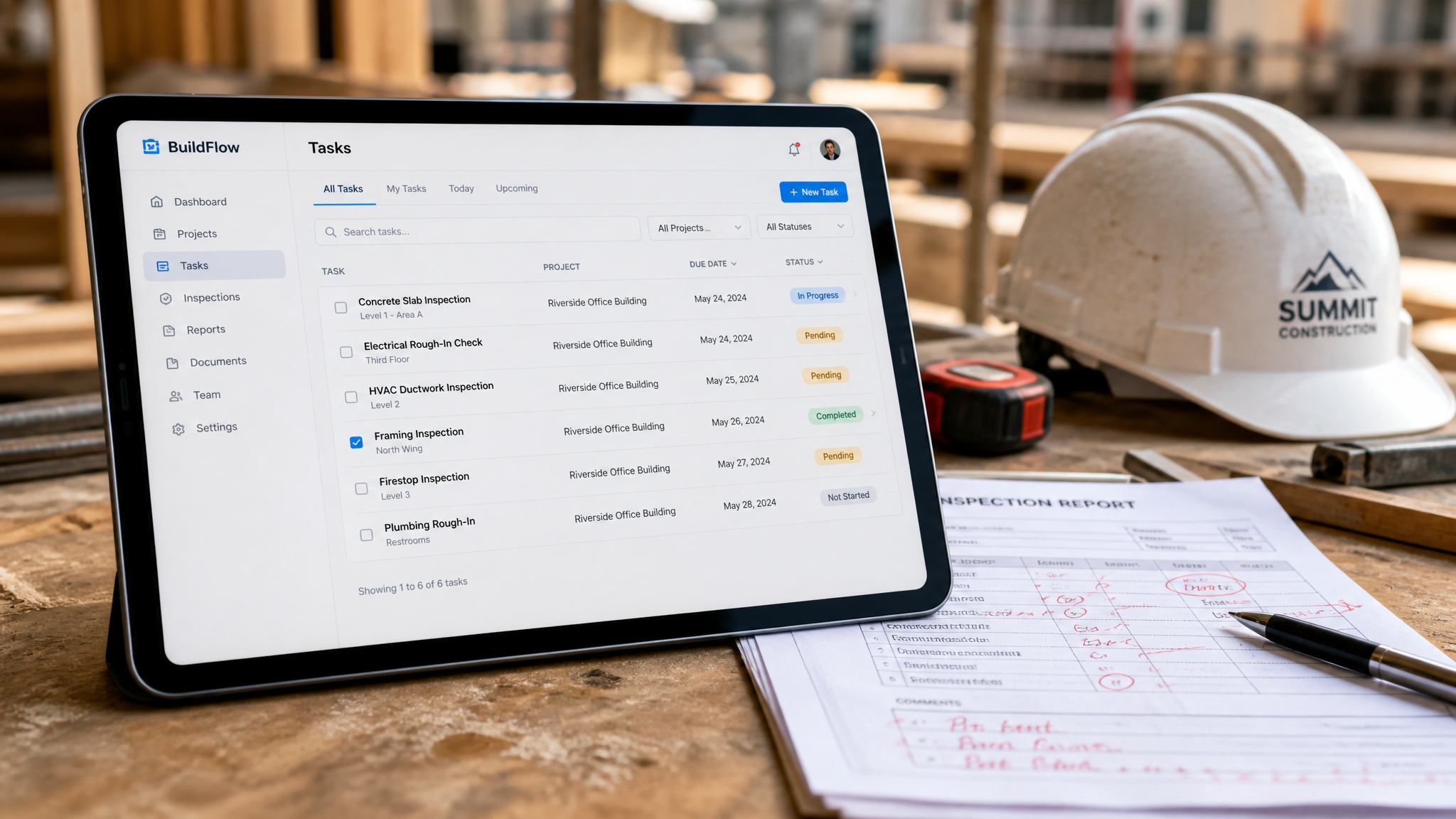
ConsentNZ is built to eliminate the administrative causes of inspection failure. It manages NZ inspection compliance from building consent issuance through to CCC — giving teams:
- A structured inspection schedule so the right inspections are booked in the right order
- Documentation tracking so nothing required is missing on site
- Issue tracking so items from every inspection are resolved and evidenced before the next
- CCC milestone visibility so the whole team knows exactly where the build stands
By removing the coordination and documentation gaps that cause most failures, ConsentNZ helps teams pass inspections first time — and keep the programme moving.
The Bottom Line
Inspection failures feel unpredictable in the moment, but they follow patterns. Master readiness, documentation, plan alignment, close-out, sequencing, and booking — the six administrative causes — and you eliminate the majority of delays before they happen. The seventh, genuine quality, is what inspections are actually for.
---
ConsentNZ manages NZ inspection compliance from building consent issuance through to CCC — structuring your inspection schedule, tracking issues to resolution, and keeping documentation in order so your builds pass first time. [Visit consentnz.com](https://consentnz.com) to see how it works.