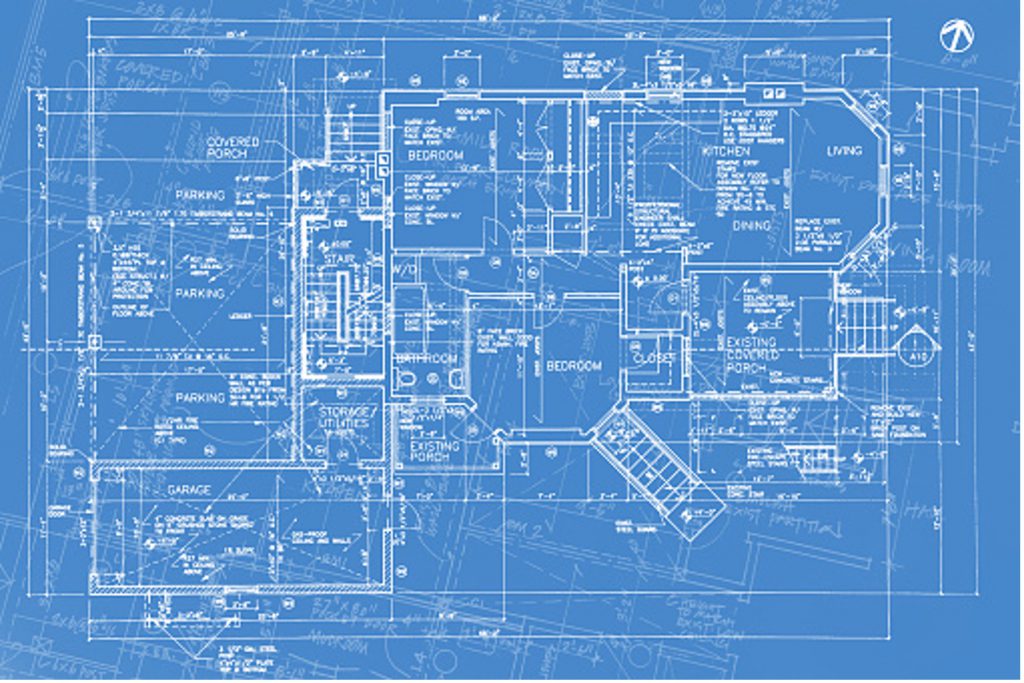


Navigating the building consent process in New Zealand can feel overwhelming, whether you're a first-time homeowner planning a renovation or a seasoned developer managing multiple projects. This comprehensive guide breaks down each stage of the process, highlights common pitfalls, and shares strategies for smoother, faster approvals.
What Is a Building Consent?
A building consent is formal approval from your local council (the Building Consent Authority, or BCA) that your proposed building work complies with the New Zealand Building Code. Under the Building Act 2004, most building work requires a consent before you can begin construction.
The purpose isn't bureaucratic red tape — it's safety. The Building Code sets minimum performance standards for structures, fire safety, moisture management, durability, and dozens of other critical factors. The consent process is how we ensure that buildings meet these standards.
When Do You Need a Building Consent?
Generally, you need a building consent for any building work that involves:
- New buildings or structures
- Alterations or additions to existing buildings
- Demolition work
- Changes to building services (plumbing, drainage, electrical)
- Retaining walls over 1.5 metres
There are exemptions for certain minor works under Schedule 1 of the Building Act, including small sheds (under 10m²), pergolas, and minor internal alterations. However, even exempt work must still comply with the Building Code.
The Consent Application Process
Step 1: Prepare Your Documentation
A complete consent application typically includes:
- Application form (usually available from your council's website)
- Architectural plans and specifications — detailed enough for the council to assess compliance
- Engineering calculations where structural work is involved
- Producer statements from relevant professionals (PS1 for design, PS2 for design review)
- Project Information Memorandum (PIM) if applicable
- Description of proposed building work and its intended use
Step 2: Lodge the Application
Once your documentation is complete, submit it to your local council. Most councils now accept digital submissions, which can speed up the initial processing. The council has 20 working days to process your application, starting from the date all required information is received.
Step 3: Processing and Review
During processing, the council will:
- Check your plans against the Building Code
- Assess whether the proposed work meets the relevant standards
- Review engineering and specialist documentation
- May issue a Request for Information (RFI) if anything is unclear or missing
Note: If an RFI is issued, the 20-day clock pauses until you provide the requested information.
Step 4: Consent Granted
Once approved, you'll receive your building consent along with an inspection schedule. This schedule outlines the inspections required at various stages of construction.
During Construction: Inspections
Inspections are critical checkpoints during the build process. Common inspection stages include:
- Foundation/pre-pour — before concrete is poured
- Pre-line/framing — once framing is complete but before lining
- Post-line — after internal lining is installed
- Drainage — before drainage is covered
- Final inspection — when all work is complete
Each inspection must be booked with the council, and work cannot proceed past an inspection stage until it's been passed.
Code Compliance Certificate (CCC)
Once all work is complete and all inspections have passed, you apply for a Code Compliance Certificate. The CCC confirms that the completed building work complies with the approved consent and the Building Code.
Councils have 20 working days to issue a CCC. Having clean inspection records, complete documentation, and well-organised compliance files can significantly speed up this process — which is exactly where digital compliance tools like Kompliy's ConsentNZ add value.